HomeEduFest 2026

EduFest 2026

Please join us for EduFest 2026!

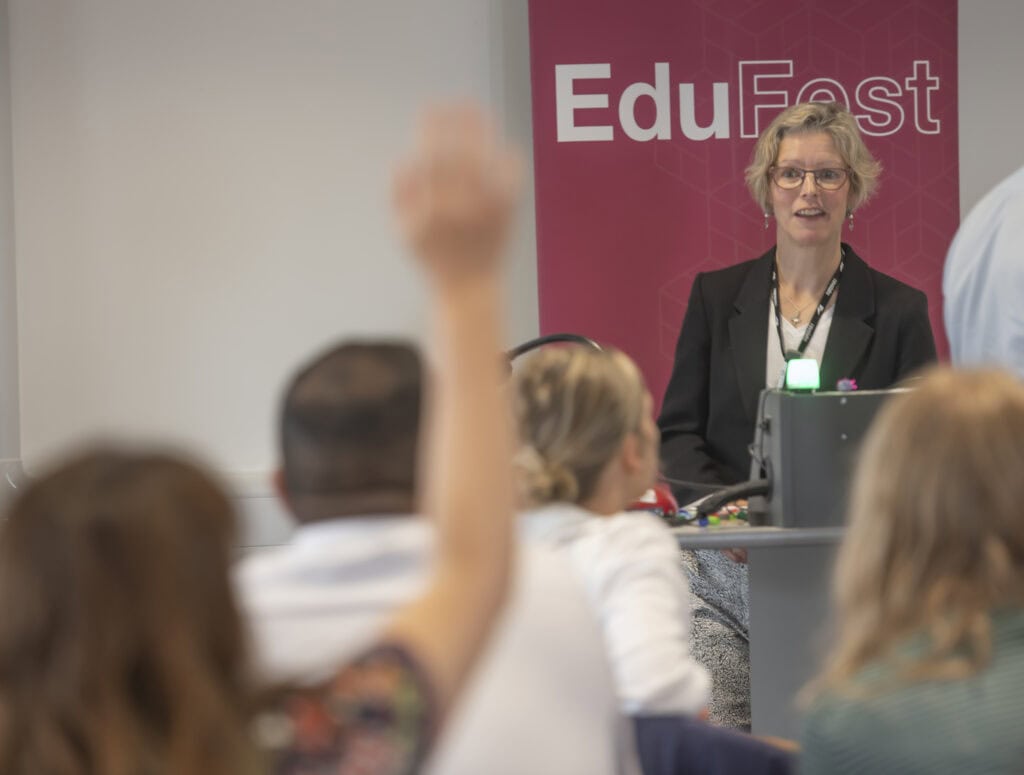
Our annual Learning & Teaching conference will be held the week of the 15th June 2026, bringing together a community of teaching and learning practice  from across the University to celebrate, share, and showcase the exciting and innovative approaches that are taking place. The conference includes workshops, demonstrations, presentations and keynote speakers. 


Keynote Speakers

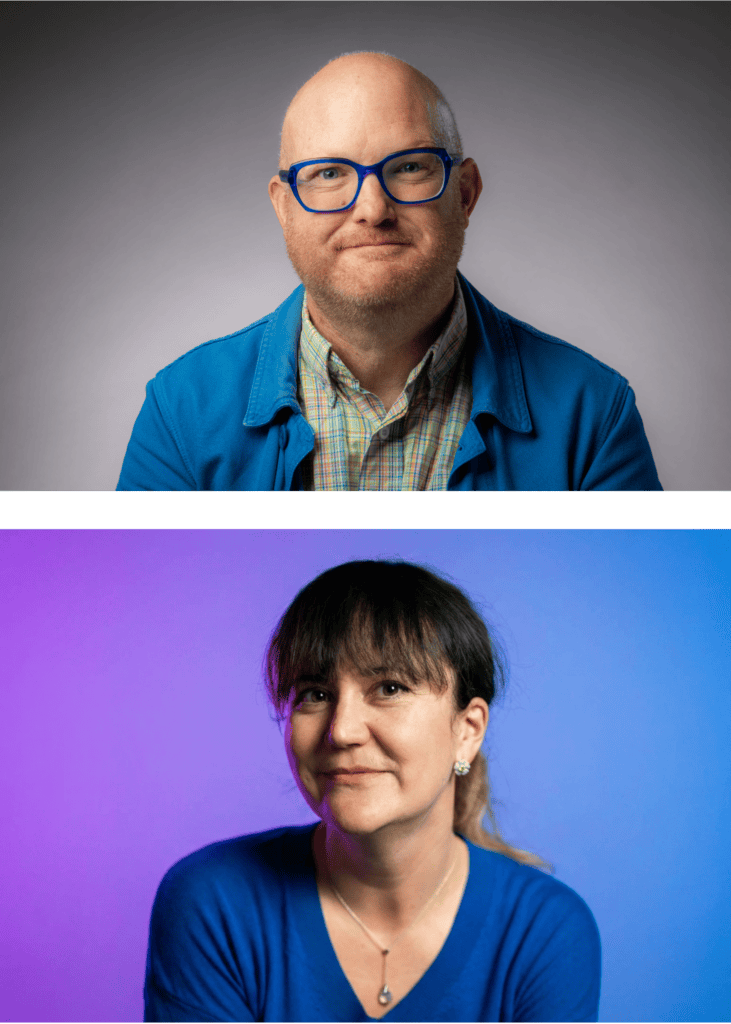
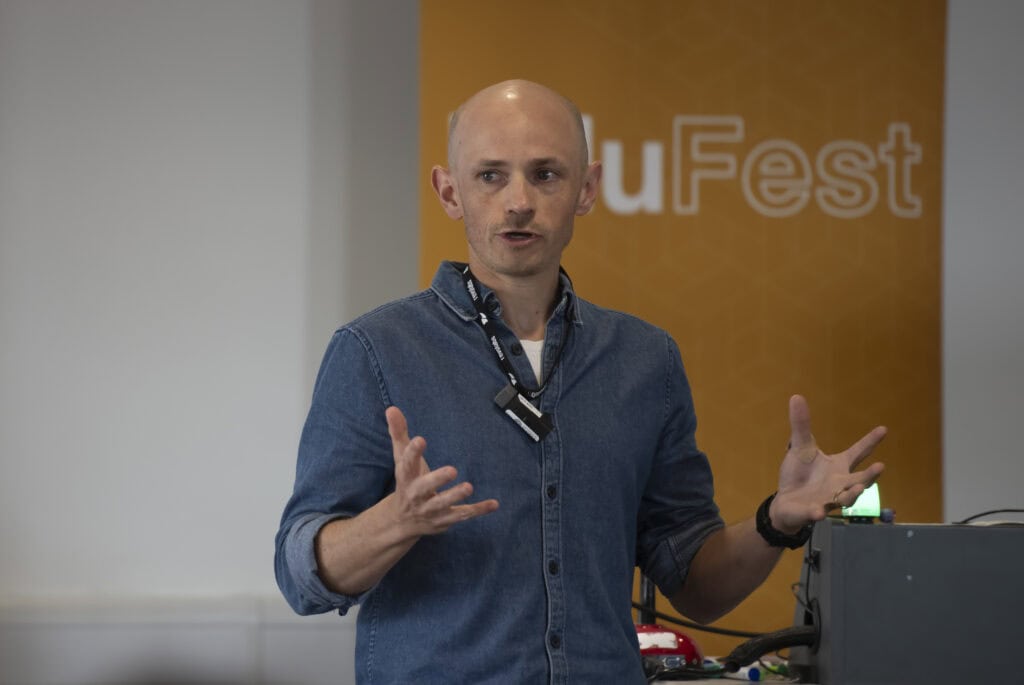
Our first Keynote, James Norman, Department of Architecture & Civil Engineering, University of Bath will talk us through Sharing is caring – how sharing our practice enables us all to be better teacher. James is an educator, engineer, designer, thought leader and practitioner in the field of sustainable and regenerative design. He has published 6 books including the Regenerative Structural Engineer and Micro Record Label. He is an award-winning educator (National Teaching Fellowship 2020) and excellent communicator, who enjoys presenting in unconventional ways.

James currently teaches engineers and architects across a number of subjects with a focus on going beyond sustainability. James previously taught 650 first year engineering students design using practical and inclusive methods. He has produced a large number of teaching blogs including two blog series “the office” and “writing a book in a year” and two blog mini series on teaching “Regenerative Design” and “Organising an Anti-Conference”. 

He has 15 years structural design experience including the Tate Modern Extension (Times & Guardian building of the year 2016) and the John Henry Brookes building (mid-listed for the Serling Prize 2014). 

Followed by a keynote from Rushana on Visibility and Personal Brand for Career Development. Dr Rushana Khusainova is a Senior Lecturer in Marketing and Education Lead at the University of Bristol Business School, and co-chair of the Business Education Research and Scholarship (BERS) Network. She is also a Senior Fellow of the Higher Education Academy.

Rushana is passionate about shaping the future of business education through regenerative business, the ethical use of artificial intelligence (AI), and the development of a thriving culture of Scholarship of Teaching and Learning (SoTL).
She is co-editor of the book How to Become an Education-Focused Professor: Stories and Strategies from Business Schools and Beyond. Alongside her academic work, she designs and delivers practical workshops, including LinkedIn for Academics and GenAI for Beginners, equipping educators with the tools, confidence, and strategic clarity to thrive and lead in a changing higher education landscape.

Find out about Edufest

EduFest is our annual Learning and Teaching conference, now extended to a full week of exploration and inspiration.
This year’s week-long programme is designed to support colleagues in reflecting on and enhancing their approaches to learning and teaching. Spread across five days, EduFest will feature keynote sessions, interactive workshops, or informal networking events. EduFest 2026 promises variety to spark ideas.

Programme of Events 2026

Day one Monday 15th June 2026 – Online

Welcome to Edufest Week:

Professor Julian Chaudhuri, Pro-VC (Education) & Dr Chris Bonfield, Director for the Centre of Learning & Teaching

Talking Point: Enhancing Student Engagement Through Educational Games: Kseniya Stsiampkouskaya, School of Management

Educational games are an effective way to boost student engagement and support experience‑based learning. They help students apply theory to practice, build key skills, and develop competencies such as teamwork, communication, problem‑solving, and decision‑making. Interdisciplinary games also strengthen systems thinking by highlighting links between subjects and revealing learning gaps.

The session will explore the pedagogical value of serious games, practical teaching use cases, and a learning‑centred approach to designing new educational games using educational board game Threats & Trade‑offs (https://doi.org/10.1007/s10796-025-10604-3).

Talking Point: Measuring students’ metacognition in subjects delivered through active learning methodologies – Nuno Reis, Department of Chemical Engineering

Collaborative learning environments enhance the student experience and are compatible with traditional exams, but a gap often exists between perceived and actual learning. In advanced chemical engineering units, this disconnect appears linked to limited student metacognition and reliance on last‑minute revision strategies. This talk will explain how focus groups confirmed that active learning supports skill application, problem‑solving, and motivation compared to passive teaching methods.

Lightning Talk: Are oral presentations still fit for purpose in higher education? – Cressida Lyon, Department of Life Sciences

Oral communication is a key employability skill, and oral presentation assessments are widely used at the University of Bath. However, recent sector concerns about inclusivity—particularly following the Bristol vs Abrahart case and the 2024 EHRC advice note—have prompted renewed scrutiny of these practices. This study used mixed methods to explore how staff and students value presentation assessments and to identify strategies that support students’ presentation self‑efficacy.

Comfort and refreshment break

From Passive to Participatory: Using Mentimeter, H5P and Xerte Effectively: Lynn Cheong-White & Eliana Cortez Paez, Centre for Learning & Teaching

How can we move beyond passive delivery and create more engaging, participatory learning experiences?

In this session, colleagues will share practical examples of how they are using tools such as Mentimeter, H5P, and Xerte to support interaction, encourage student voice, and structure meaningful classroom activities. From large lectures to smaller teaching settings, you’ll hear how these approaches help students prepare, contribute, work collaboratively, and reflect more actively during sessions.

Presenters will reflect on what has worked in their contexts—such as using structured questioning and peer discussion to deepen engagement, designing pre-session interactive materials to support flipped learning, and gathering student expectations or prior knowledge to shape teaching. They will also explore approaches to building confidence for quieter students through scaffolded participation, using regular check-ins to break up longer lectures, and creating opportunities for reflection that help students connect ideas across a course.

This session offers a range of adaptable ideas and honest insights for anyone interested in making their teaching more interactive and engaging.

Day two – Tuesday 16th June 2026 – Hybrid

Lightning Talk: Authentic Learning and Assessment in Action: Sanchia Jones, School of Management

The Be Ambitious Challenge is a six‑week experiential learning programme, co‑created and delivered collaboratively between Central Services, School-based teams, and Accenture. Grounded in a Design Thinking framework, the initiative was developed to provide a substantive professional experience for School of Management undergraduate students on three‑year degrees who do not undertake a placement year.

I curated and now facilitate the programme to strengthen students’ employability capabilities and to foster cross‑campus and external partnerships within a defined project period. Working in small teams, students apply academic concepts to an authentic business challenge set by Accenture, enabling them to connect theory with practice in a meaningful and structured way. This approach supports more equitable graduate outcomes by offering a practical, employer‑engaged learning experience comparable to that typically gained through a four‑year degree programme.

Lightning Talk: Producing unique data sets for coursework: Ollie Thomasson, School of Management
With increasing student numbers, collusion on coursework becomes more likely. In data-based work, having a large number of students working from the same data set further compounds this risk. This talk will cover the techniques used on a first-year Business Analytics module for 400 Management students. The result was a unique dataset for every student in the cohort.

Talking Point: Team Based Learning (TBL) in Biosciences: active, applied and effective – but how can we ensure inclusivity? :Cressida Lyon, Jo Stewart-Cox and Zoe Burke, Department of Life Sciences

Team Based Learning (TBL) is a flipped learning approach which promotes active recall and application of knowledge in a team setting. In 2023-24, TBL was piloted in the Department of Life Sciences. Student perception of TBL was positive, and TBL was rolled out on a larger scale.

Neurodivergent and neurotypical students have varied experiences of learning in general, and whilst there are aspects of TBL that neurodivergent students may find beneficial, there are also potential barriers. In this study, student experiences of TBL were evaluated using a mixed methods approach, including the quantitative TBL Student Assessment Instrument (TBL-SAI ©).

Talking Point: A Comparison of Formative and Summative Tests in Team-Based Learning: Gratsiela Madzharova, Department of Mechanical Engineering

Formative and summative assessment each offer distinct benefits for student motivation and learning. In TeamBased Learning (TBL), readiness assurance tests (RATs) can be implemented in either mode, yet their relative impact remains unclear. This study investigates how assessment mode influences preparation, performance, and student experience within a controlled TBL environment.


Comfort and refreshment break

Living the Assessment for Learning Design Principles

Abby Osborne & Ellie Kendall, Centre for Learning & Teaching

A session where Abby and Ellie speak briefly about the process of distilling the original Assessment for Learning Design Principles, that was developed as part of the Curriculum Transformation project, into 8 core principles and linking those to helpful resources. An academic will then speak about ‘living the AfL principles’ through their assessment design, outlining the order in which they thought about each principle. There will then be an activity for table groups where they discuss their own ‘journey’ through the AfL principles and whether they now want to delve deeper into exploring particular principles.  

Day three – Wednesday 17th June 2026 – In Person – Book your place

The event will take place in person featuring presentations from the winners of the Teaching Excellence Awards 2026. Parallel sessions from Teaching Development Fund Projects, our VIP projects and other professional development practices.

Refreshments and Pastries available

Welcome: Dr Christopher Bonfield, Director of the Centre for Learning & Teaching

Hear from two Keynote speakers

Keynote Speaker:

Sharing is caring – how sharing our practice enables us all to be better teachers

James Norman, Department of Architecture & Civil Engineering, UoB

Keynote Speaker:

Visibility and Personal Brand for Career Development

Rushana Khusainova, University of Bristol

Lighting talks from the CLT on Celebrating Fellowship, PedR Network , Accessibility, VR Demo, TEL CoP, Similarity detection and more.

Break and Refreshments

We will hear from our 2026 University Teaching Award Winners;

  1. Best Team – Bath Team Heart Supervisors – Melusine Pigeon.
  2. Innovation – Lukasz Piwek, School of Management
  3. Academic Advisor – David Liptrot, Chemistry
  4. Director of Studies – Eleanor Nichols, Physics
  5. John Willis – Jack Spicer, Social & Policy Sciences
  6. Leadership – Gail Forey, Education and Tina Duren, Chemical Engineering (both pre recorded)

Lunch provided, opportunity to Network and find out more from about ongoing initiatives.

Parallel Session A:

Teaching in the open lane: practical approaches to GenAI and assessment: Richard Mason, Centre for Learning & Teaching & James Fern, Department for Health

In the university’s two-lane GenAI framework, ‘open lane’ assessments are those in which students have access to AI tools. This session, informed by a series of workshops undertaken with academic departments, brings together short, practice-focused contributions from colleagues across Bath. We will showcase how staff are embedding AI literacy and critical engagement, alongside strategies for protecting core academic knowledge and capabilities.

Talking Point: AI and employability: Catherine Knocks, Careers Service

AI is reshaping the world of work, highlighting challenges and opportunities.

Parallel Session B:

Talking Point: Apply teaching and learning to a Vertically Integrated Project: Brian Rutter, Department of Mechanical Engineering

VIPs offer an opportunity to work with other students and engage with projects that uses their current capabilities and skills and develop wider skills of project management, collaboration, interpersonal and technical skills. The participants are recognised for their contribution by the CLT.
The student teams are made up of participants from multiple year groups and educational levels, with breadth across the faculties. The challenge is to have the students collectively focus on the project outcomes. Industry is looking for students who have a broad set of skills to respond to the complexities of product development, processes and management.
This presentation explores the lessons learnt so far and identifies opportunities for the future.

Talking Point: Serious Games for Management Learning: Baris Yalabik, School of Management

We present our experience of running the new unit Serious Games for Management Learning. On this unit, students play a series of games to reflect on themselves as strategic thinkers, decision-makers, and team members. Students also learn how to create such learning experiences for others. We reflect and provide insights relevant to the field of experiential learning.

Talking Point: Using gamification to boost engagement: Yarden Brody, Department of Physics

What makes video games fun? This fascinating topic has kept psychologists busy over the last few decades, resulting in the term “gamification” – the process of integrating the aspects of a game that make it engaging into non-game contexts. We in the Department of Physics have been busy these last couple of years applying this to our undergraduate physics degrees via the use of micro-trophies in the form of enamel pins – each one with a highly collectible unit-specific design and colour. Just like video games, they provide a clear goal with a tangible reward and an appropriately-levelled challenge to earn. Their use has greatly boosted attendance and engagement in lectures and classes, and significantly enhanced students’ sense of community, pride and belonging.

Talking Point: Taking Students to the Knowledge Frontier with AI: build your own reading list: Cristiana Lafuente Martinez, Department of Economics

Instead of selecting papers for study in a final-year course, we used AI tools to find and summarise papers in a series of online workshops. Each session is centred around a topic, like “what is the effect of unemployment benefits on unemployment duration?” Then the students are asked to find empirical literature on it using AI tools.

Break and Refreshments

Parallel Session C:

Workshop: Reflective Learning Practice: Daniel Barker, Centre for Learning & Teaching

This session explores why helping learners reflect on how they learn is just as important as what they learn. We will consider practical ways to embed reflection into teaching and assessment, supporting students to become autonomous, critical, and confident learners.

Parallel Session D:

Workshop: Authentic learning with agentic AI: Steve Cayzer, Department of Mechanical Engineering

Authentic tasks involve “ill-structured” challenges and roles that help students rehearse for the complex ambiguities of the “game” of adult and professional life. Role play can be one way to achieve this. Students have to ask the agent appropriate questions to elicit valuable information – the agent may be unwilling or unable to give totally open, frank, accurate and complete responses. Students learn from this appropriate communication skills in a ‘safe’ environment. Such approaches are rich, valuable – and time consuming. Agentic AI gives an opportunity to scale up these approaches by configuring an agent with the appropriate ‘personality’.

This immersive workshop allows you to take the role of a student using agentic AI. You will experience the feelings of the students interacting with AI to achieve a task or goal. We will critique the approach, and we will explore how you might try this approach in your own teaching practice.

Summary and close: Paul Chin, Head of Learning & Teaching, CLT

Day four – Thursday 18th June 2026 – Online

Talking Point: Decolonising the Curriculum at Bath – Monna Matharu, Student Recruitment & Admissions

Decolonising the curriculum is a growing priority in higher education, yet its meaning and implementation remain inconsistent, making change hard to evaluate. Monna Matharu, UoB Access and Participation Impact Officer, will present findings from the University of Bath APP evaluation report, exploring how decolonising practices can strengthen students’ sense of belonging, the degree to which students feel accepted, valued, and included in their academic community.

Belonging is shaped in part by whether students see their histories, knowledge systems, and identities reflected in what and how they are taught. Broadening whose voices and ways of knowing are centered in the curriculum can therefore be a powerful lever for fostering inclusion across a diverse student body.

Through an interactive session, participants will reflect on institutional practice, share their own perspectives, and explore the challenges of enacting meaningful change. Drawing on case studies, the session identifies sector-wide patterns and encourages critical reflection on how to move toward more measurable and impactful practice

Lightning Talk: Epistemic Humility: The Lecture Hall Must Remain a Space of DoubtMatthew Alford, Department of Politics, Languages and International Studies
Everyone talks about ideological silos these days, but in academia the consequences land hard. On the one hand, we’re pushed to chase “impact” and public engagement. On the other, we’re acutely aware of a “post-truth era” where whole swathes of society are too entrenched even to discuss their assumptions on identity politics, war, and public health. In times like these, it’s worth remembering that the most rigorous thinkers in history treated certainty with suspicion and that it is important to have a strong sense of where one’s own expertise begins and ends.

Lightning Talk: Uni & You: Supporting Students to Set Themselves up for Success: Ashleigh Curl & Maria Christou, School of Management
Uni & You is a programme of events designed to give students practical strategies for success. We brought expert voices to the forefront and created a sense of community, ensuring sessions were inclusive and responsive to diverse student experiences.

Collaboration was key as we worked with guest speakers from Student Support, the Students’ Union, and academic staff, while also amplifying student voices to harness the power of peer-peer learning. Our aim was to provide a safe space for students to develop essential skills and explore strategies that work for them. By focusing on practical approaches, students left with tangible tools to support their academic journey.

Lightning Talk: Exploring the accessibility of the University of Bath campus using a photovoice methodology: Stella Duego, Tannin Jeffrey, Phoebe Chipchase, MRes Students

Our research explored the accessibility of the University of Bath campus using a photovoice methodology, focusing on the lived experiences of disabled students. However, we would also be happy to give a broader talk about student accessibility in higher education more generally, sharing insights and raising awareness that could support teachers and advisers in guiding prospective students.

Talking Point: Building a Coherent, Scalable Framework for Embedding Sustainability Pathways Across the Curriculum
Steve Cayzer, Department of Mechanical Engineering

The University of Bath has a strategic goal to embed meaningful sustainability learning for all our students. However, sustainability opportunities are often fragmented, with strong individual initiatives lacking integration with each other or with the formal curriculum. This presentation introduces a coherent, scalable framework that unites these activities without requiring significant additional resource or adding burden to staff and students.

The framework builds on existing course designs—where sustainability is frequently present in principle but inconsistently enacted—and offers students an accredited pathway across three levels: Sustainability Citizen, Advocate, and Leader. The Citizen level, embedded in all programmes, develops foundational sustainability knowledge, SDG awareness, and core competencies.


Comfort and refreshment break

Planning for e-portfolios: A structured approach to help you design with confidence: Rachel Applegate, Centre for Learning & Teaching

Discover a guided approach to design effective e‑portfolio activities. In this interactive one‑hour workshop, we will use a practical planning guide to clarify key design decisions, and to explore core elements of e‑portfolio design in Mahara. Ideal for anyone creating a new portfolio activity, refining an existing one, or if you are simply curious to explore what e‑portfolios can offer.

By the end of this workshop, participants will be able to:

  1. Outline the role of e‑portfolios in supporting reflection, skills development, and assessment for learning.
  2. Apply a structured planning framework to design or enhance an e‑portfolio activity.
  3. Identify key decisions related to assessment design, feedback, and student induction and guidance.
  4. Recognise the core design elements of Mahara e-portfolio and how they support different portfolio activities.

Day five – Friday 19th June 2026 – Online

Join Virtus Tech for this online demo of Immersive learning and training. Building VR experiences effortlessly and see how this could benefit you in your practice.

Thank you for your Contributions

Stayed tuned for more details